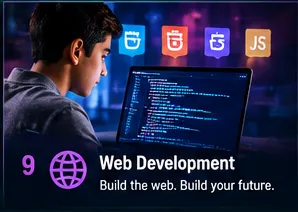
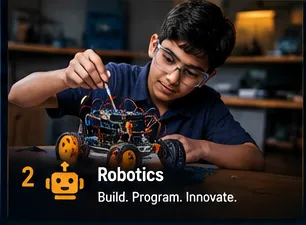
Python coding classes for children in Graz build digital literacy foundations—variables, data types, branching, loops and modular functions—through live interactive sessions and practical assignments, with verified curriculum details and no hidden fees.
1. Manual Code vs Scikit-Learn
Building linear regression by hand teaches derivatives, learning rates, and updates for m and b. In production, engineers use libraries such as Scikit-Learn so training and prediction take only a few clear lines.
2. Setup
Install with pip install scikit-learn. Import:
from sklearn.linear_model import LinearRegression
NumPy for arrays; Matplotlib if you plot
3. Data and Scatter View
Define feature matrix X (2D) and target vector y. A scatter plot often shows a linear trend; no single line hits every point. The goal is the line of best fit that minimizes overall squared error.
4. Fit and Predict
model = LinearRegression()
model.fit(X, y) — runs optimization (e.g. OLS / gradient-style updates) under the hood
y_pred = model.predict(X)
.fit() finds optimal slope and intercept without hand-written epoch loops.
It is a standard Python ML library with ready modules for regression, classification, and clustering. Scratch builds understanding; Scikit-Learn replaces long manual loops with .fit() and .predict() for industry work.
It trains on X and y: runs optimization (e.g. least squares / gradient methods), finds slope and intercept, and stores them on the model so you do not write epoch loops yourself.
Use model.coef_ for m and model.intercept_ for b. In the example both were about 1.40, giving ŷ = 1.40x + 1.40 and predictions like [2.8, 5.6, 7.0, 8.4, 11.2].
Disclosure: This page contains affiliate links. We may earn from qualifying purchases at no extra cost to you. Links are intended for parents and educators, not as marketing directed at young children.
Digital Literacy for Youth: Structured Python Language Learning in Graz
Graz families benefit from structured, honest Python instruction. Live classes plus assignments build confidence step by step. We state only verified curriculum details and avoid inflated claims. Enquire +92 322 4217059 or support@aiandroboticsclub.com. Foundations first.
Frequently asked questions
What logic structures are covered in Python classes?
Variables, data types, if-else branching, loops, and modular functions.
Are coding classes live or pre-recorded?
We offer live interactive classes complemented by practical coding practice assignments.
How do we maintain educational transparency with families?
We provide verified curriculum information, no hidden fees, and clear, honest answers to all parent questions.